Abigail Costigan, PEP Marine Conservation and Policy FellowContinue reading→

November 8th, 2019
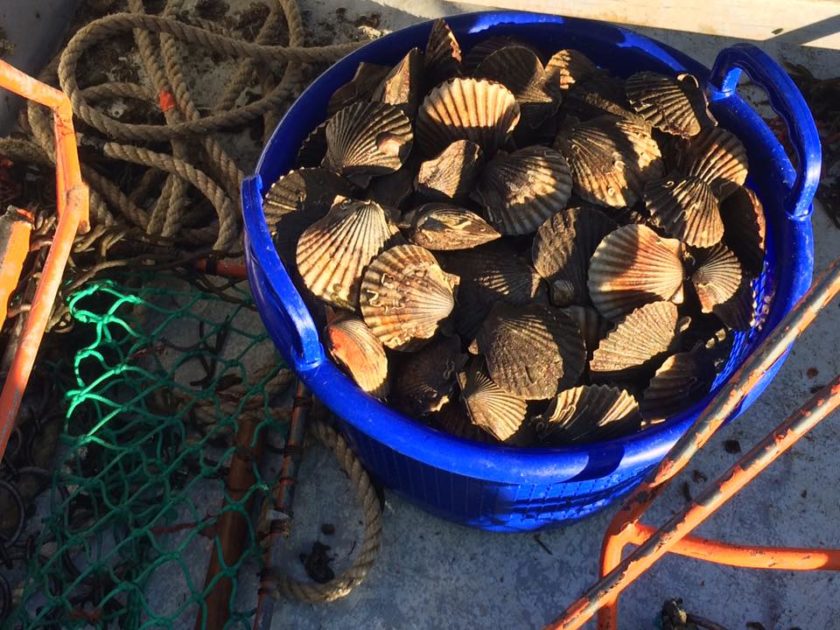
PECONIC BAY SCALLOP ADULT POPULATION DIE-OFF
During the past week, we have received inquiries regarding the current situation of Peconic Bay Scallops in our waters. We at the Peconic Estuary Program are deeply saddened by the scallop die-off that has transpired in the Peconic Bays. We have been aware of this situation and are working with our scientific partners to gain a better understanding of why the recent die-off of adult scallop populations occurred.
This event likely took place several weeks or months ago and only appears to have affected adult scallop populations. Initial surveys by our partners at Cornell Cooperative Extension, a review of Suffolk County surface water quality data from January to October 2019, and U.S. Geological Survey (USGS) surface water quality data indicate that this occurrence was not associated with a harmful algal bloom like we have seen in years past. There have, however, been higher water temperatures throughout the Peconic region for the past two years – sometimes exceeding 80°F. There have also been low dissolved oxygen levels – a parameter often affected by high nutrients in the water. However, at this time we do not know the exact cause of this die-off.
Unfortunately, the collapse of adult bay scallop populations is more complicated than just the health of our local waters. Increasing global ocean temperatures and warmer water will be a continuing concern as we begin to feel the effects of a warming climate. Warmer waters are more vulnerable to the effects of nutrient pollution – this is possibly reflected by the continued hypoxic and anoxic conditions in the western Bay at the USGS water quality monitoring station in Flanders Bay. Many estuary ecosystems are changing from climate change and this is also affecting regular predator-prey cycles. The Peconic Estuary Program has some of the best data available and is looking into this as well.
The Peconic Estuary Program remains committed to our strong local partnerships – working together to solve the water quality, habitat, and climate change issues on the East End of Long Island. We continue to deliver sound science so our communities are informed.
Photo Above: Christie Pfoertner
________________________________________________________________________________
The Peconic Estuary received designation as an “Estuary of National Significance” by the U.S. Environmental Protection Agency (EPA) in 1992, and the Peconic Estuary Program, a collaborative partnership of local, state, and federal governments, citizens, environmental groups, businesses, industries, and academic institutions, was established. The Peconic Estuary Program is one of 28 National Estuary Programs around the country supported by the U.S. EPA’s Clean Water Act.
Abigail Costigan, PEP Marine Conservation and Policy FellowContinue reading→
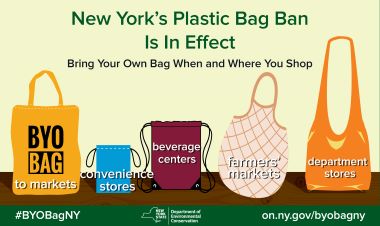
Plastic bag ban is an instrumental step to making our environment cleaner and our wildlife safer.Continue reading→

Watch this PEP presentation to learn about the projects we do and how you can get involved. During National Estuaries Week, we celebrate Estuary Day with Long Island Sound Study and South Shore Estuary Reserve to bring awareness to the work that we do as the Estuary Programs on Long Island and how you can...Continue reading→
Suffolk County presents a workshop on the Septic Improvement Program at PEP’s August 2020 Citizens’ Advisory Committee Meeting. Learn what the program entails, how to apply, and feel equipped to take the next steps in upgrading your cesspool or septic system for cleaner water quality.
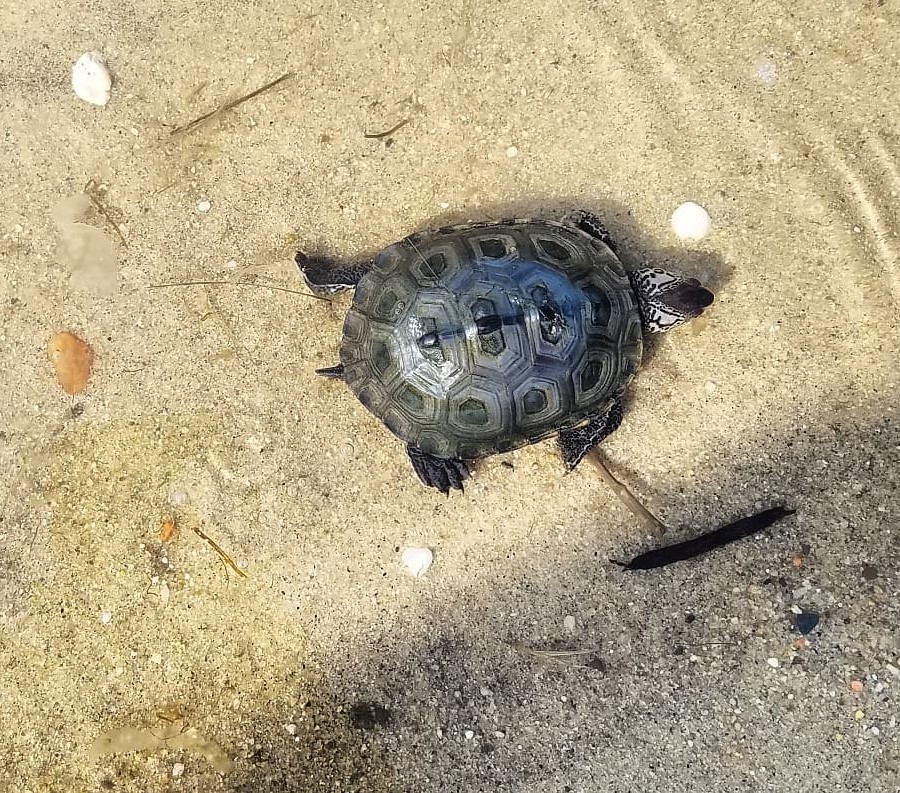
The Peconic Estuary Partnership, Seatuck Environmental Association, and Dr. Russell Burke of the Jamaica Bay Terrapin Project of Hofstra University hosted a virtual terrapin monitoring workshop where attendees learned about the importance of monitoring and how to identify terrapins and evidence of their activity. The workshop concluded with the unveiling of Seatuck’s Diamondback Terrapin Watch, which is an online survey...Continue reading→

Watch our May 2020 Citizens’ Advisory Committee Meeting co-hosted with Group for the East End, with guest speaker Rusty Schmidt, President of Long Island Native Plant Initiative (LINPI). Learn all about native plant species, where you can buy native plants, and how to get started on your garden. Native plants do not require fertilizer or...Continue reading→

Due to the coronavirus (COVID-19) outbreak, the PEP offices are closed and all in-person meetings, events and activities are postponed until further notice to help reduce the spread of COVID-19. PEP staff are working remotely and can be contacted via email. As always, we will continue to share information about the Peconic Estuary through our...Continue reading→
2020 brings exciting news for the Peconic Estuary Program – a new name that better reflects the program and a soon-to-be launched revised Comprehensive Conservation Management Plan that includes fresh goals and actions for the next decade. As a National Estuary Program, the PEP brings together all members of the community – Federal, State and...Continue reading→

The Peconic Estuary Partnership, in response to the adult scallop die-off in the Peconic Bays convened a group of scientists, regulators and experts to assess the known and unknown factors that may have contributed to the demise of the Peconic Bay scallops in 2019 in the Peconic Estuary. This group, the Peconic Bay Scallop Technical...Continue reading→
February 21, 2020 PECONIC BAY SCALLOP TECHNICAL REVIEW COMMITTEE PROVIDES UPDATE ON THE 2019 ADULT BAY SCALLOP DIE-OFF In light of the recent information released regarding the work led by NYSDEC and the Marine Animal Disease Lab at Stony Brook University, the Peconic Bay Scallop Technical Review Committee would like to give the following update...Continue reading→
Sign up for News, Events and Information straight to your inbox.
